


Family Ski Hire Checklist for Snow Trips
20 June 2026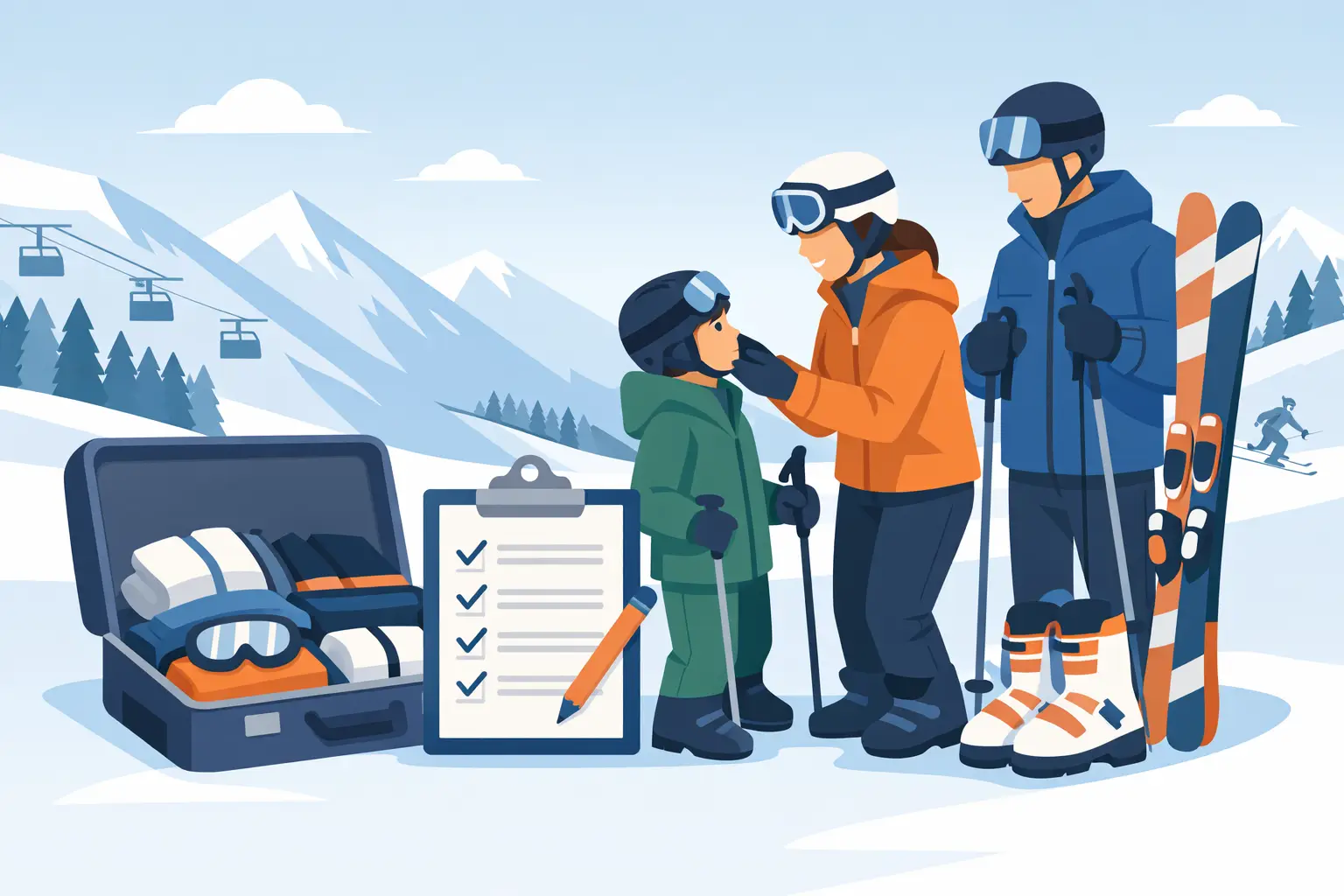
A family snow trip can go pear-shaped before the first lift ride if your hire setup is wrong. Boots that pinch, skis that are too long, missing helmets, wet gloves – it all adds up fast when you’ve got kids, bags and a narrow window to get everyone on the mountain. That’s why a proper family ski hire checklist matters. It saves time, cuts down stress and helps everyone start the day with gear that actually fits.
Why a family ski hire checklist makes a difference
Hiring for one adult is pretty straightforward. Hiring for two adults and a couple of kids is a different game. You’re managing sizes, ability levels, weather changes and the fact that children can go from excited to over it in about five minutes if something feels uncomfortable.
A good checklist keeps you focused on the gear that affects comfort and safety first. It also helps you avoid paying for extras you do not need, while making sure you do not skip the things that make a real difference, like a properly fitted helmet or dry outerwear. For most families, the win is not just saving money. It is getting out of the shop faster and onto the snow with less drama.
Start with the essentials before you hire
Before you even look at skis or boots, get clear on who needs what. Every family member should be matched to their own height, weight, boot size and experience level. Guessing does not help. Kids especially can jump a size between seasons, and a ski boot that was fine last year may be a disaster this year.
You will also want to know whether each person is skiing for the first time, returning after a break or already linking turns confidently. Hire gear should suit ability, not just body size. Beginners are usually better off in forgiving, easy-turning skis, while stronger skiers may want something more supportive and responsive.
It also pays to think about how many days you are actually skiing. If the family is only doing one or two days on snow, hire is usually the easiest and smartest option. If you are planning a longer trip or multiple weekends away, the maths can start to shift, particularly for adult apparel and accessories.
The core family ski hire checklist
At minimum, each skier needs skis, boots, poles and a helmet. Younger children sometimes skip poles in beginner programs, but that depends on age and lesson style. For most families, that is the base hire package to sort first.
Skis should be chosen by height, weight and skill level, not by what looked good on the rack. Shorter, softer skis are generally easier for beginners to control. Boots should feel firm and secure without crushing toes or creating pressure points. A little snug is normal. Pain is not.
Helmets are non-negotiable. They should sit level on the head, feel secure without wobbling and work properly with goggles if you are using them. Poles matter less for comfort than boots do, but the right length still helps with balance and rhythm, especially for adults and older kids.
If you are building your own family ski hire checklist, write each person’s name and list their gear line by line. That simple move stops the usual confusion of whose boots are whose and whether everyone has actually been fitted before you leave.
What to bring with you to the hire counter
The smoother the fitting process, the quicker your day starts. Bring proper ski socks for every family member, not thick cotton sport socks from the drawer at home. Ski socks are designed to sit smoothly inside a boot. Thick socks bunch up, create pressure and often make boots feel worse, not warmer.
Wear or pack the layers you expect to ski in, especially for kids. Bulky pants or extra-thick jackets can affect how outerwear fits if you are also hiring clothing. If you already own goggles, helmets or jackets, bring them along rather than trying to remember sizing later.
It helps to have current shoe sizes written down for children, plus heights and approximate weights if they are not with you when you book. If they are there in person, even better. The best fit comes from checking the gear on the actual skier, not from a rough guess over the counter.
Do you need to hire clothing too?
Sometimes yes, sometimes no. If your family heads to the snow once a year, hiring outerwear can make sense, especially for growing kids. Jackets and pants are expensive to buy if they are only getting one short trip each season, and children often outgrow them before the next winter rolls around.
That said, there is a trade-off. Hired clothing needs to be available in the right size and can be hit and miss on fit if you leave it late in peak season. If your family feels the cold, or you want a more comfortable all-day setup, owning your layers and hiring only hardgoods may be the better move.
The non-hire items most families should try to bring themselves are base layers, socks, gloves and neck warmers. These are personal fit items, they get wet quickly, and kids are much happier with gear they already know feels right.
The gear mistakes families make most often
The first mistake is upsizing kids’ boots so they can grow into them. It sounds economical, but loose boots make skiing harder and more tiring. Children need support and control, and that starts with a correct fit.
The second is underestimating how important dry, warm gear is. A child with cold hands is not interested in one more run. Good gloves, dry socks and proper layering can be the difference between a full day on snow and a retreat to the lodge by 11 am.
The third is rushing the fitting. If a boot feels wrong in the shop, it will feel worse on the mountain. Speak up early. Specialist hire teams would rather swap sizes at the counter than hear about sore feet after half a day on the slopes.
How to make ski hire easier with kids
Timing matters. If you can, organise hire the afternoon before your first ski day rather than first thing in the morning. Peak snow mornings are busy, children are restless, and every delay feels longer when everyone is dressed and ready to go. Getting fitted earlier gives you breathing room and a better chance to sort any issues before the lifts open.
Keep the process simple for younger kids. One adult can handle check-in and paperwork while the other stays focused on the children, boots and helmets. Label gear once it is handed over. A strip of tape or a simple tag can save a lot of mix-ups later, especially when siblings have similar sizes.
Snacks help too. That is not a gear tip, but it is still one of the best hire-day tips going.
When to book ahead and when walk-in hire is fine
Booking ahead is the smart play during school holidays, long weekends and any major snow period. Families need multiple sizes and matching gear at once, so availability matters more than it does for solo adults. Booking ahead also gives staff more time to prepare and makes collection faster.
Walk-in hire can still work in quieter periods, especially if your family is flexible. But if you have young children, beginners or specific sizing needs, leaving it to chance can add unnecessary stress. A bit of planning gives you more control over the day.
Getting the right advice matters
This is where specialist stores stand apart from general sports retailers. Snow hire is not just about handing over a package. It is about matching the right setup to the skier, adjusting fit properly and giving honest advice about what is worth hiring versus buying.
For families, that advice is gold. Maybe the youngest only needs a basic beginner package, while mum or dad would be better off in a higher-performance ski for more confidence on harder runs. Maybe the smartest spend is on buying the kids good gloves and goggles, then hiring the rest. It depends on your trip, your budget and how often you head to the snow.
That is why plenty of Victorian families choose a specialist snow shop like Mac’s before they hit the mountain. You get access to people who know the gear, know the conditions and can help you sort the setup without the usual guesswork.
A quick pre-departure check before you leave the shop
Before you walk out, make sure every person can identify their own gear and carry it comfortably. Check that boots are clipped correctly, helmets fit snugly, and poles match the skier. Ask what to do if something feels wrong once you are on snow. It is a simple question that can save a lot of hassle later.
Also double-check the small stuff. Do you have lift-friendly gloves, goggles for everyone who needs them, and a bag plan for spare layers, snacks and water? The hire package gets you skiing, but the little extras are what keep the family moving happily through the day.
The best family snow trips are not the ones with perfect weather or postcard conditions. They are the ones where everyone is comfortable enough to enjoy the runs, have a laugh and want to do it again tomorrow. Get the hire right, and the whole trip starts to feel a lot easier.
