


Wakeboard Ropes: Find Your Ideal Setup
17 August 2026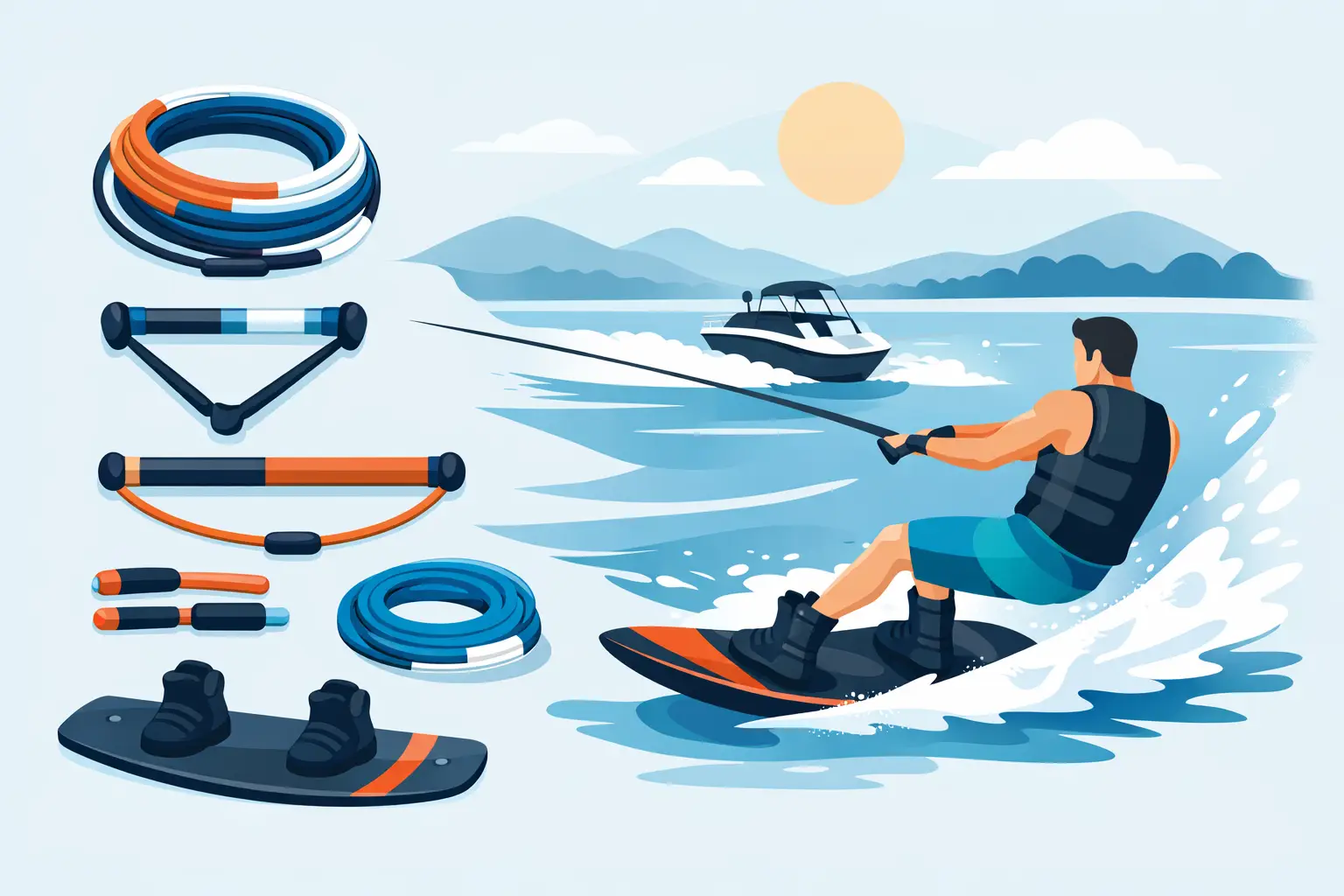
A wakeboard rope can make a bigger difference to your set than a new board graphic ever will. The right rope gives you a consistent pull, cleaner timing at the wake and a handle that feels right in your hands. The wrong one can feel vague, stretchy and frustrating, especially when you are trying to land your first wake-to-wake jump or clean up a trick.
For Australian riders heading out behind the boat, the best wakeboard ropes are purpose-built for wakeboarding. They are made to hold their length under load, offer practical adjustment options and pair with a comfortable handle. Here is what to look for before you gear up.
Why wakeboard-specific ropes matter
Wakeboarding relies on line tension. As you edge away from the boat, load the line and drive back towards the wake, you want that tension to build predictably. A proper wakeboard rope uses low-stretch materials, commonly Spectra or Dyneema, so the boat’s pull feels direct rather than springy.
A general ski rope might get you around the lake, but it is not built for the same job. More stretch means the handle can surge forward as you approach the wake, which makes your take-off timing harder to read. It can also make a rider work much harder to hold a solid edge.
That does not mean every rider needs the most technical setup on day one. Beginners need reliability and comfort more than a pro-level handle. But a wake-specific rope is a smart foundation because it removes one variable from the learning process.
Choose wakeboard ropes by length first
Rope length changes where you meet the wake and how much time you have in the air. Most wakeboard ropes are adjustable through removable sections, often called take-offs, so you can shorten or lengthen the line as your riding develops.
For many riders behind a traditional wake boat, a total length of about 65 to 75 feet, including the handle, is a practical range. Newer riders often benefit from starting shorter, around 55 to 65 feet. At a shorter length, the wakes sit closer together and are easier to clear at lower speeds. It also keeps the rider closer to the boat, where the pull is easier to manage.
As your edge control and confidence improve, let the rope out gradually. A longer line gives you more room to build your cut and can put you at a cleaner part of the wake, depending on the boat, speed, ballast and rider weight. There is no magic number that works behind every boat. The best length is the one that lets you cross the wake with control, not one that simply sounds advanced.
Wake surf ropes are a different category altogether. They are shorter, thicker and designed for a rider to release the handle once they are in the wave. Do not use a wake surf rope for wakeboarding, and do not use a wakeboard rope for wake surfing. Each is designed around a very different riding position and tow speed.
A simple way to dial in your length
Start at a manageable length and watch where you are crossing the wakes. If you are landing on the down-slope or just clearing the second wake with a controlled edge, you are in a useful zone. If you are overshooting deep into the flats, shorten the rope or reduce your speed slightly. If you are casing the second wake, first check your technique and line tension, then consider a shorter length.
Make one adjustment at a time. Changing rope length, boat speed and wake shape all at once makes it hard to know what actually improved the ride.
Low stretch gives you a cleaner pull
The biggest performance feature in a wakeboard rope is low stretch. Look for materials such as Spectra or Dyneema and a clear low-stretch or no-stretch description. These ropes are designed to maintain a consistent feel as you load the line through your edge.
That consistency helps every stage of a trick. You can set your edge with more confidence, stand tall through the wake and keep the handle close to your lead hip. Riders working on spins and inverts also benefit because the line behaves predictably when they need it most.
There is a trade-off. A no-stretch rope gives immediate feedback, including when your body position is off. If you pull with straight arms, lean too far back or release your edge early, the rope will not hide it. That is a good thing for progression, but it can feel more demanding than a soft, stretchy line.
Handle size and grip are not minor details
Your hands spend the whole set on the handle, so comfort matters. A standard wakeboard handle is commonly around 15 inches wide and suits most riders. It gives enough room for a balanced two-handed grip and plenty of control during basic edging, jumps and grabs.
Narrower handles can suit riders who prefer a more compact feel or spend time working on technical tricks. Wider handles can offer extra leverage, though they are not automatically better. For most family boats and recreational riders, a quality 15-inch handle is the easy, versatile choice.
Pay attention to the grip material too. EVA handles are popular because they are comfortable, grippy when wet and easy on the hands during longer sets. A tacky or textured grip can be especially welcome when your hands are tired or when the boat spray is up.
A floating handle is worth having. It is easier to spot after a fall and avoids the hassle of a handle sinking just out of reach. If the rope has a moulded or padded section near the handle, that can also help reduce wear where the line sees the most use.
Build a rope setup that matches your riding
A beginner or family setup should favour easy adjustment, a comfortable handle and durable low-stretch construction. You do not need to overthink it. Choose a wakeboard rope with multiple removable sections, start shorter and focus on clean starts, steady edging and relaxed arms.
Intermediate riders should look for a consistent no-stretch line and enough length options to suit different boats and wake sizes. This is where the right rope becomes noticeably valuable. Once you are chasing cleaner wake jumps, 180s or grabs, a predictable pull makes it easier to repeat good technique.
Advanced riders may be more particular about handle width, total line length and the number of adjustment sections. If you ride behind a heavily weighted boat or regularly change between boats, detailed adjustment matters. A rope that lets you fine-tune length in sensible increments gives you more control over your approach to the wake.
Care for your rope and it will last longer
A good rope should not be dragged over the boat ramp, left tangled in the bilge or stored wet in a tight knot. Grit can damage the fibres, while repeated kinks and knots create weak points that affect how the rope performs.
After your set, rinse the rope with fresh water if you have been riding in salt or dirty water. Let it dry out of direct sun, then coil it loosely and store it somewhere dry. Check the handle stitching, mainline, sections and connection loops before riding. If you see fraying, flat spots, cuts or damaged stitching, retire the rope rather than hoping it survives another hard cut.
Keep the line clear of the propeller at all times. Turn the boat off when a rider is getting in or out of the water, and make sure the rope is well clear before starting up. These are simple habits, but they protect the crew as well as your gear.
Get the whole pull working together
Your rope, board, vest, boat speed and wake shape all influence the ride. A quality line cannot fix poor posture or replace a properly fitted impact vest, but it gives you a dependable connection to the boat so you can focus on improving.
If you are not sure where to start, bring your riding level, boat type and the tricks you are working on to the conversation. The crew at Mac’s can help match a wakeboard rope setup to the way you actually ride, so your next set feels less like a fight and more like progression.
