


Oakley Snow Goggles Review: Are They Worth It?
05 August 2026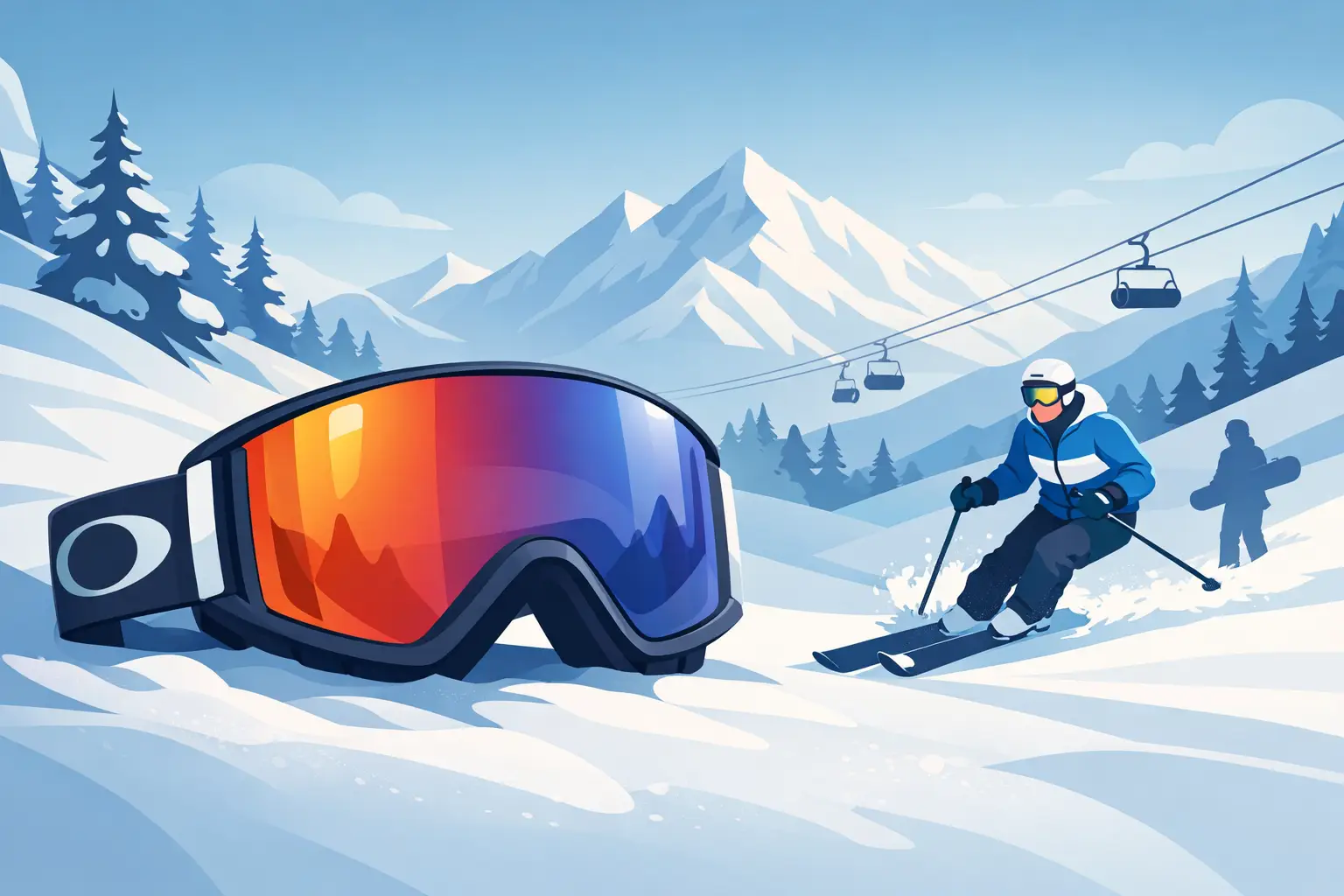
A goggle can look great on the rack, then become the weak link the minute cloud rolls over the resort. This Oakley snow goggles review looks at what matters once you are actually riding: reading bumps in flat light, keeping fog at bay on the chairlift and finding a frame that works with your helmet all day.
Oakley has long been a serious name in snow eyewear, and for good reason. Its goggles are built around sharp optics, considered frame design and lens technology that suits skiers and snowboarders who want more than a basic tinted lens. They are not the cheapest option out there, though, so the real question is whether the performance justifies the spend for your kind of winter.
What sets Oakley snow goggles apart?
The biggest drawcard is Oakley Prizm lens technology. Rather than simply making everything darker or brighter, Prizm lenses are tuned to improve contrast in snow conditions. That can make ruts, icy patches, rollers and changes in terrain easier to pick out – especially when the light is flat and the whole run starts looking like one white blur.
For Australian riders, that benefit is not just marketing. Our season can serve up bright bluebird laps in the morning, cloud and wet snow by lunch, then a low-light afternoon when definition disappears. A good contrast lens helps you ride with more confidence because you can see what is happening in front of you earlier.
Lens performance is only part of the package. Oakley’s larger-frame goggles offer a wide field of view, which is particularly noticeable when checking uphill, spotting mates at the edge of a run or lining up a landing in the park. The brand also puts plenty of work into face foam, venting and helmet compatibility. Those less flashy details make the difference between a goggle you tolerate and one you forget you are wearing.
Oakley snow goggles review: lens clarity and light choice
Oakley’s Prizm Snow lenses come in a range of tints and visible light transmission levels, often called VLT. The right choice depends on when and where you ride. A darker lens is ideal for clear, sunny days, while a higher-VLT lens is better for snowfall, cloud and late-afternoon laps.
If you only want one lens for a typical Australian snow trip, a mid-range option is usually the sensible place to start. It gives enough protection when the sun comes out while remaining usable when weather moves in. Riders who regularly ski or board from first lift to last chair, or travel to New Zealand, Japan or North America, will get more value from a second low-light lens or a model with an easy lens-change system.
There is a trade-off here. A very dark lens can feel brilliant under strong alpine sun but too dim once visibility drops. On the other hand, a rose, persimmon or high-VLT lens can give excellent definition in flat light but may feel too bright on a cloudless day. Do not choose purely by lens colour or what looks best in a photo. Think about the conditions you most often ride.
Oakley lenses also use a dual-lens construction with anti-fog treatment and ventilation to reduce misting. In normal use, they perform very well. But no goggle is magic if it is treated badly. Sitting with your goggles pushed up on a hot, sweaty helmet, then pulling them into freezing air, is a fast way to create fog. Keep the inside of the lens dry, avoid wiping it when wet and give the vents room to work.
Which Oakley goggle shape suits your riding?
Oakley has a broad range, and frame shape matters as much as lens quality. The Flight Deck is the big, panoramic option. Inspired by fighter pilot visors, it offers a huge view and a bold look that suits riders who want maximum peripheral vision. It is a strong choice for larger faces, although smaller riders should try the fit before committing.
The Line Miner has a more cylindrical lens shape and sits closer to the face. It remains popular because it gives a wide view without feeling oversized, and it suits plenty of helmet and face shapes. For riders who prefer a more low-profile, park-inspired look, it is often the easier pick.
The Fall Line sits in the middle, combining a clean profile with a wide view and practical lens-changing design on selected versions. It is worth considering for all-mountain riders who want one goggle that can handle groomers, trees and park laps without looking overly bulky.
For younger riders, smaller faces or anyone keeping the spend sensible, Oakley’s value-focused models can be a smart option. You may give up some premium features, such as the fastest lens swapping or the broadest field of view, but you still get reliable Oakley lens and frame quality. Families buying gear for growing kids should weigh up whether a top-end model will get enough seasons of use to make sense.
Fit, helmet compatibility and comfort
The best lens in the world is wasted if the goggle leaves a gap above your nose, pushes against your helmet or pinches after an hour. Try goggles on with your snow helmet whenever possible. You are looking for an even seal around the face, no uncomfortable pressure points and minimal gap between helmet and frame.
A small gap is not only a style issue. It can let cold air hit your forehead, which becomes annoying very quickly on a windy chairlift. Frame width is also important. Large goggles can offer excellent vision but may overwhelm a narrow face, while a smaller frame can leave larger riders wanting more coverage.
Most Oakley snow goggles use triple-layer face foam on higher-end models, helping with comfort and moisture management. That is a worthwhile feature for long days, especially if you run warm or hike the park. If you wear prescription glasses, check whether the specific model is designed to accommodate them. Do not assume every large goggle is automatically suitable for glasses underneath.
Are Oakley goggles worth the price?
For regular skiers and snowboarders, Oakley goggles are generally worth it because the lens clarity is genuinely useful, the fit is well sorted and replacement lens options can extend the life of the goggle. When conditions are mixed, being able to read the snow better can make your day safer, more enjoyable and less tiring.
For a first-time rider heading away for one weekend, the premium may be harder to justify. A more affordable goggle can still do the job if it fits properly, has a dual lens and is suited to the forecast. Snow gear hire is also worth considering when you are still working out what style of riding you enjoy and what fit works for you.
The value equation changes if you ride several times a season, own a helmet and expect to keep your goggles for years. Premium goggles tend to earn their keep through clearer vision, better comfort and a more reliable seal in changing weather. Treat them properly and they can outlast several jackets or pairs of gloves.
The practical downsides to consider
Oakley’s premium models cost more than entry-level goggles, and replacement lenses can also be a significant purchase. The oversized styles are not for everyone, particularly if you prefer a compact frame or have a smaller face. Some riders also find that a second lens is necessary for the full benefit of a premium goggle setup, which adds to the total cost.
Lens changes, while straightforward on models designed for them, still take care. Fingerprints and scratches are the enemy. Carry a soft goggle bag, store them lens-out rather than face-down, and never leave them loose in the boot with tools, snacks and spare hardware.
Our verdict for Australian snow trips
Oakley is a strong pick for riders who care about vision and want dependable gear for variable mountain weather. The best model is not automatically the biggest or most expensive one. It is the one that seals comfortably with your helmet, gives you a lens tint suited to your usual conditions and matches how often you ride.
At Mac’s, the right goggle is treated as part of your full snow setup, not an afterthought at the checkout. Try on a few shapes with your helmet, think honestly about the light you ride in, and choose the pair that lets you focus on the next turn instead of what you cannot see.
