


Fase Snowboard Binding Review – Worth It?
12 July 2026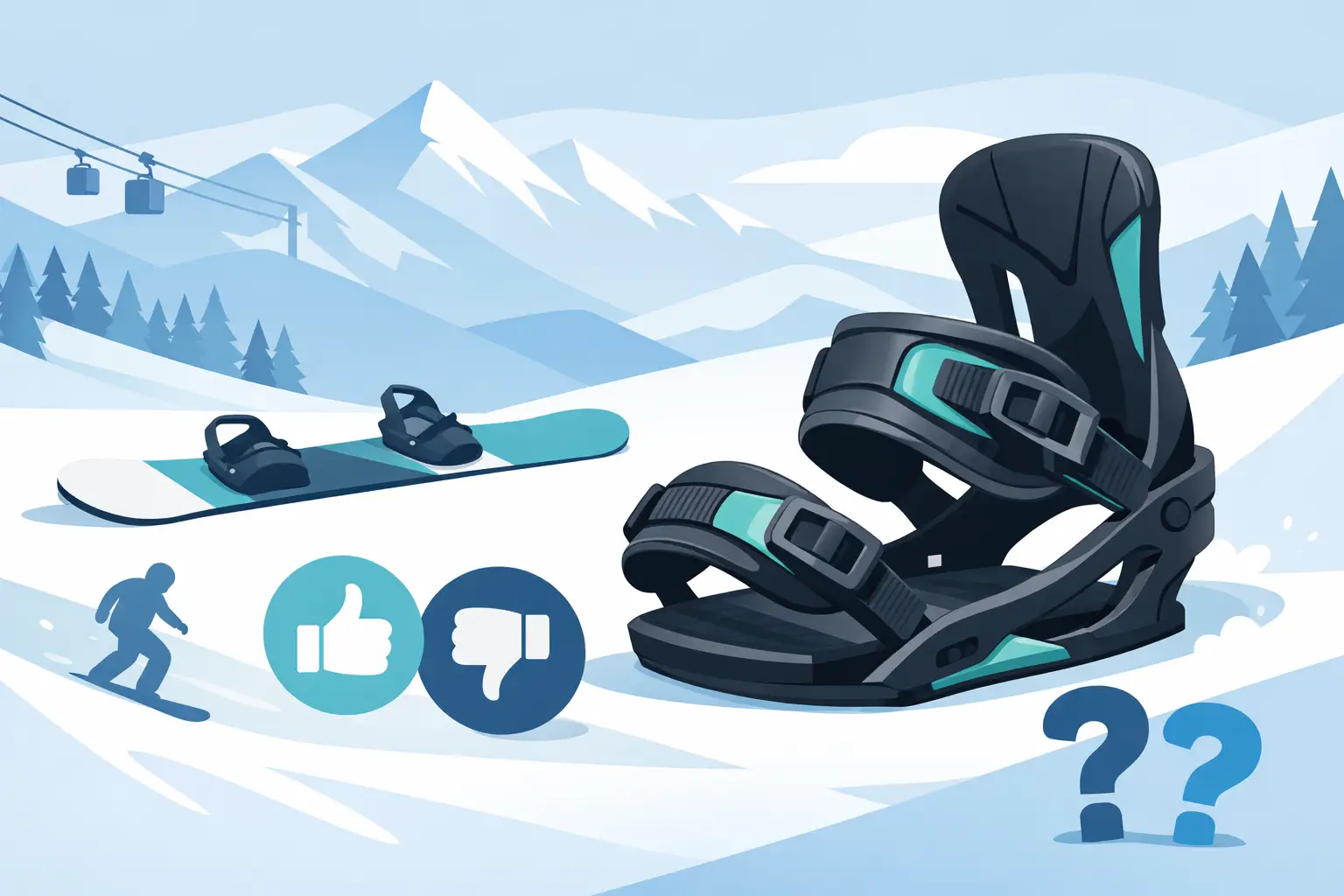
The lift is loading, your mates are already sliding towards the gate, and you are still crouched over your second binding. That familiar moment is exactly what Fase is built to fix. In this Fase snowboard binding review, we look at what makes the system different, how it rides, and whether faster entry is actually worth changing from a conventional two-strap setup.
Fase is not trying to replace the feel of traditional straps with a completely different binding concept. It keeps the familiar, adjustable strap-and-ratchet fit most riders know and trust, then adds a clever rear-entry mechanism designed to get you locked in faster. For Australian riders squeezing the most out of a short snow trip, that is a genuinely appealing proposition.
What is the Fase snowboard binding system?
Fase is a fast-entry binding platform built around an AutoBack highback. When you step into the binding, the highback moves back to create a wide opening. As your boot settles into place, it returns to its riding position and helps bring the straps into the correct position. You then secure the ankle strap and get moving.
The key difference is that you do not need to completely loosen, open and reset your straps after every chairlift. Once dialled in, the straps retain your preferred fit while the AutoBack gives you more room to enter and exit. It is a practical answer to the old buckle-in routine, without forcing riders into a locked, preset fit.
That distinction matters. Some quick-entry systems make speed their entire selling point, but can feel restrictive if the boot shape or strap setting is not spot on. Fase puts the emphasis on a conventional binding feel first, with the quicker entry as the advantage.
Fase snowboard binding review: the on-snow feel
The first thing most riders notice is the reduction in faffing about at the top of the lift. The opening created by the AutoBack makes stepping in easier, especially on uneven snow where getting your boot lined up can be awkward. It is not magic – you still need to do up the ankle strap – but it cuts out the part that normally has you digging around for loose straps and ratchets.
Once riding, a Fase-equipped binding should feel much closer to a quality traditional binding than a novelty fast-entry product. Your toe and ankle straps are still doing the job of holding the boot securely, so the connection can be tuned to suit your riding style. Riders who like a snug, responsive ankle strap can set it that way. Those who prefer more room for presses, tweaks and surfier turns can back it off.
That adjustability is the major win. Snowboard boots vary massively in volume, flex and shape, and Australian riders often use one setup across everything from firm early-season groomers to soft spring slush. A system that lets you retain a familiar strap fit has more range than one that relies on a single fixed closure position.
Response will depend heavily on the particular binding model and its baseplate, highback flex and strap package. Fase is a system, not one single ride feel. A softer freestyle-focused version should suit riders who want mobility for side hits and park laps, while a stiffer model will make more sense for faster carving, bigger lines and riders who drive hard through their turns.
The best reason to choose Fase: more laps
Fast entry is not just about looking efficient in the lift queue. It can change the rhythm of a day on snow. Beginners spend less time wrestling with straps. Families can get moving without every stop turning into a lengthy regroup. Experienced riders can get straight back to chasing their crew after a chairlift.
This is particularly relevant on a typical Australian trip. Conditions can change quickly, lift lines can build on weekends, and many riders only get a handful of days each season. Saving a minute here and there will not turn a two-day trip into a full extra week, but it does make the day feel less interrupted.
There is also a comfort benefit. Sitting down or bending over to strap in repeatedly can be a pain, particularly if you are wearing bulkier outerwear or your legs are already cooked after a big morning. Fase does not remove the need to secure your binding, but it makes the process more upright and less fiddly.
Fit and set-up matter more than the marketing
Fase bindings need a proper initial set-up. This is not a binding you should pull out of the box, set vaguely to your boot size and expect to feel perfect. Take the time to centre the boot on the board, adjust the heelcup and highback where available, and position the toe and ankle straps so they sit naturally over your boot.
The ankle strap should hold the boot firmly without crushing it. If it is too loose, you lose response and may not get the quick, consistent entry experience the system is designed to provide. If it is overtightened, you can create pressure points and make entry less smooth. Your toe strap should sit over the toe box rather than across the top of the forefoot where possible, giving you a more secure pull-back fit.
Boot compatibility is worth checking before buying. Most current snowboard boots should work well when the binding is correctly sized and adjusted, but no two boots are identical. Riders with very bulky boots, unusually compact boots, or a strong preference for a particular boot-and-binding combination should try the setup in person where they can. A quick fit check can save a lot of guesswork before a snow trip.
Where Fase has trade-offs
Fase brings more moving parts than a simple conventional binding. That does not automatically make it unreliable, but it does mean riders should keep the mechanism clear of built-up snow and ice, and inspect hardware as part of normal gear maintenance. Any binding deserves that attention, especially after travel, hard riding or a season in wet spring conditions.
It is also worth being realistic about the speed gain. You are not stepping in and riding away without touching a strap. Fase is faster because the straps stay largely set and the highback opens up the binding, not because it eliminates adjustment altogether. Riders looking for a fully hands-free experience may prefer a different style of binding. Riders who value familiar straps and a custom fit will probably see that as a strength.
Price can be another consideration. New binding technology usually sits at a premium compared with entry-level traditional bindings. Whether it represents good value depends on how often you ride and what frustrates you about your current setup. For a once-a-year rider on a tight budget, a well-made standard binding may be the smarter place to start. For someone who rides regularly, travels for snow, or simply wants a more efficient setup without giving up strap control, the added cost can be easy to justify.
Who should buy Fase bindings?
Fase makes the most sense for riders who already know they like the secure feel of traditional straps but hate the time spent getting in and out. It is especially appealing for intermediate riders progressing across the mountain, all-mountain snowboarders chasing every possible lap, and parents who want a simpler routine when riding with kids.
It can also be a strong option for beginners, provided the binding is matched properly to their boot and board. A newer rider benefits from less lift-top chaos, but should still prioritise comfort, correct sizing and a flex that suits their ability. The quickest entry system in the world will not help if the binding is too stiff or poorly fitted.
Hard-charging freeriders should look closely at the specific Fase model rather than buying purely for the system. They will want enough highback support, edge-to-edge response and chassis stiffness for the terrain they ride. Park riders, meanwhile, may prefer a softer, more forgiving option that keeps the board easy to press and manipulate.
Is Fase worth it?
Our view is straightforward: Fase is one of the more convincing fast-entry ideas because it does not ask riders to abandon what already works. You still get the familiar confidence of properly adjusted ankle and toe straps, with a system that makes entering the binding less of a production.
It will not be the right answer for every rider. A classic two-strap binding remains simple, proven and often better value. But if quicker transitions, a dialled fit and more time riding sound like the right combination, Fase is well worth a closer look. Before your next winter mission, get your boots matched to the right size and flex, set the bindings up properly, and spend your day thinking about turns instead of straps.
