


Water Skis for Every Boat Day and Ability
16 July 2026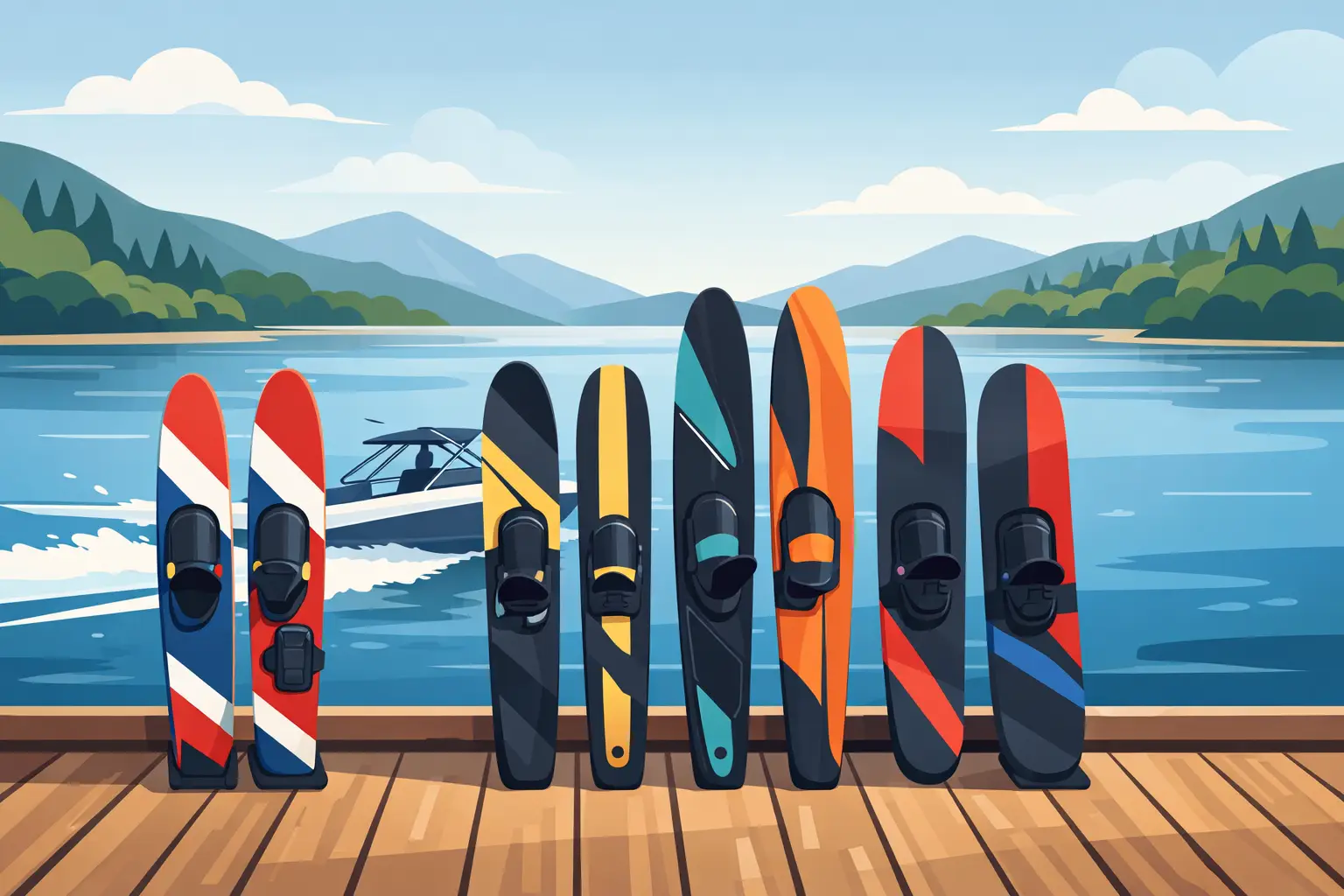
A clean deep-water start, the boat coming onto plane, then that first carve across the wake – water skis still deliver one of the best ways to make a summer boat day count. The right setup makes those moments easier, whether you are getting the kids up for the first time, cruising behind the family runabout or chasing sharper turns on a single ski.
Choosing skis is not just about grabbing the biggest or flashiest pair. Ski type, length, bindings, boat speed and rider confidence all affect how quickly someone gets up and how much fun they have once they are moving. A setup that feels stable and forgiving for a beginner can feel too slow and wide for an experienced skier. Start with the rider and the conditions, then build the package around them.
Start With the Right Type of Water Skis
For most families and first-time skiers, a pair of combo skis is the natural place to start. These are two matching skis designed for easy deep-water starts and dependable tracking. Their wider platform gives new riders more support, while the familiar two-ski stance makes balancing behind the boat less intimidating.
Many combo skis include a rear toe piece on one ski. That matters because it lets a progressing skier try slalom without immediately buying a dedicated single ski. It is a practical option for a household where one person is learning, another wants to cruise, and someone else wants to see if they enjoy skiing on one foot in front of the other.
Dedicated slalom skis are built for riders who want to carve harder, cross the wake with control and develop a more technical style. They are generally wider than older-style tournament skis, especially through the tip and forebody, to help generate lift and make slower-speed starts more manageable. The shape, rocker and flex are more performance-focused, so they reward good body position and consistent boat speed.
Kids’ skis deserve their own consideration. Junior combos are shorter, narrower through the bindings and often include a stabiliser bar that holds the ski tips together. The bar can prevent the skis drifting apart during learning starts, helping younger riders concentrate on standing tall and keeping their knees soft. Once they are confident, it can usually come off.
Water Skis Should Match Rider Weight and Speed
Length is one of the biggest decisions. A larger ski has more surface area, which helps it sit higher in the water and makes getting up easier. That is ideal for heavier riders, lower-powered boats and recreational speeds. A smaller ski feels more responsive under an experienced lighter rider, but demands better balance and more precise technique.
On combo skis, sizing is commonly based on a rider weight range. If a rider sits between sizes, think about the boat before choosing. A larger size is usually the sensible call for a modestly powered boat, choppy water or a skier who is still learning. A smaller size may suit a confident rider behind a stronger boat that can hold speed easily.
With slalom skis, the decision becomes more specific. Rider weight remains important, but so do preferred speed and skiing style. A recreational skier running around 40 to 50 km/h needs a ski that creates enough lift at that speed. A more advanced skier at higher speeds can use a smaller, quicker shape. There is no prize for choosing an aggressive ski too early. A ski that helps you get out of the water easily and build confidence will deliver more good sets than one that only works when everything is perfect.
Bindings Need to Feel Secure, Not Restrictive
Bindings connect the skier to the ski, so comfort and fit are non-negotiable. Adjustable bindings are excellent for family use because several people can share the same setup. They are easy to size and offer plenty of support for social skiing, holiday houses and mixed-ability crews.
For a more dedicated skier, a fitted front binding and rear toe plate offer a more connected feel. The front foot does most of the work, while the rear toe plate gives freedom to shift weight and edge the ski. Advanced skiers may choose a full double-boot setup for maximum response, but that is not automatically the best option for everyone. Double boots can feel brilliant when carving hard, yet they require deliberate release settings and confident technique.
Whatever binding style you choose, check it before every session. It should be snug enough that your foot does not move around, but not so tight that it is painful or difficult to release from in a fall. Wet bindings before putting them on, and never force a foot into a dry, tight boot.
Build a Setup That Works Together
A great ski is only part of the picture. The rope, handle, vest and boat setup all shape the ride. A purpose-built waterski rope has sections that allow its length to be adjusted as a skier progresses. A comfortable handle with a good grip reduces hand fatigue and helps riders hold a relaxed, balanced position.
A ski vest needs to suit the activity and meet the safety requirements for where you are boating. Some impact-style vests are designed for comfort and mobility but are not the same as an approved personal flotation device. Check the current rules for your state or territory, the waterway and the type of boating you are doing before heading out. A properly fitted, approved vest is the smart choice when required, and it should stay secure when the wearer is in the water.
Do not overlook the boat driver and observer. The driver needs to accelerate steadily rather than punching the throttle, then hold a consistent speed once the skier is up. The observer should watch the skier, rope and surrounding traffic while the driver keeps attention ahead. On busy rivers, lakes and estuaries, that teamwork is as valuable as any piece of gear.
Make the First Start Easier
The classic beginner mistake is trying to stand up before the boat has done the work. Start in the water with knees tucked towards the chest, arms straight, skis pointed towards the boat and the rope between the skis. Let the boat pull you into position. As you rise, keep your weight back, stay compact and allow the skis to plane before standing taller.
For young skiers, slower acceleration and calm water make a huge difference. Choose an open area well clear of swimmers, other boats, shallow hazards and launching traffic. Early morning is often the pick for glassier water, fewer boats and a calmer first set.
Once up, encourage beginners to keep their eyes ahead rather than staring at their skis. Soft knees, straight arms and a relaxed grip are more useful than trying to muscle through the wake. If they fall, let go of the handle straight away, signal that they are okay, and wait for the boat to return safely.
When It Is Time to Move Beyond Combo Skis
A skier is usually ready to explore slalom when they can comfortably cross both wakes, hold an edge and get up reliably on a combo ski. The rear toe piece is a good stepping stone. Take one ski off in deep water, place the rear foot in the toe plate, and practise getting up with the single ski angled slightly to one side.
Progression does not have to mean chasing competition-level gear. Plenty of skiers want a wider, stable slalom ski that makes free skiing, wake crossings and relaxed carving feel better. Others want a narrower, faster ski with sharper response. The best choice depends on how often you ski, how hard you want to push and the boat you ski behind.
At Mac’s, specialist advice can help take the guesswork out of sizing a ski package for your rider, boat and budget. A setup chosen with those details in mind will last longer and feel better from the first pull.
Get the basics right, choose calm water for the first run, and give every skier time to find their balance. The reward is simple: more confident starts, cleaner turns and plenty more excuses to load the boat before summer slips away.
