


Towable Tubes for Boats: What to Buy
04 July 2026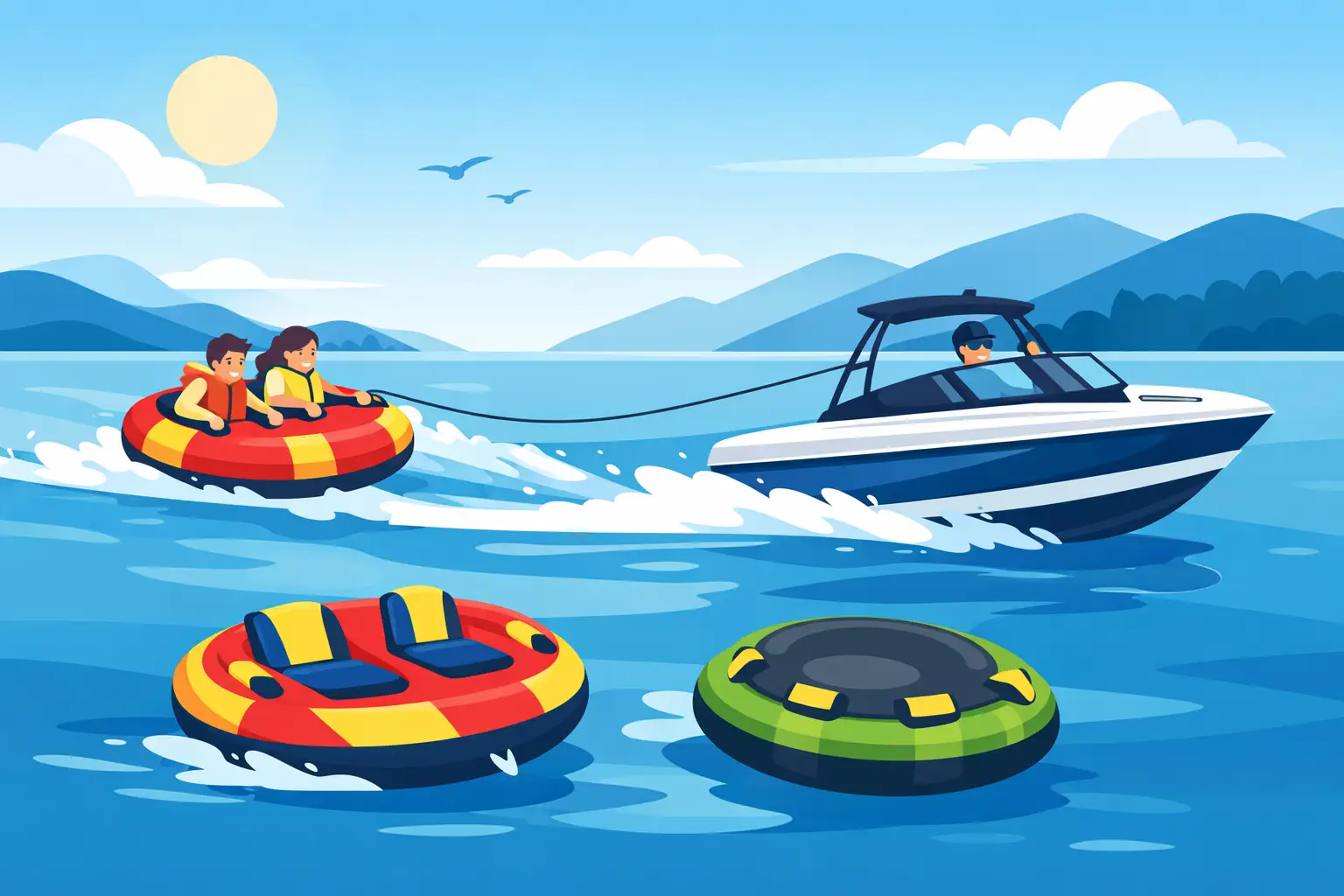
One tube can turn a quiet afternoon on the river into the part of summer everyone talks about on the drive home. But not all towable tubes for boats ride the same, and picking the right one makes a huge difference to comfort, safety and how much use you actually get out of it.
If you’re buying for kids, a mixed-age family, or a crew that wants a faster, looser ride, the best choice depends on more than just how many riders the tube can hold. Shape, deck style, handles, towing point and boat power all matter. Get that mix right and you end up with a tube that suits your boat, your riders and the kind of sessions you actually want.
How to choose towable tubes for boats
The first thing to think about is who will be riding most often. A family with younger kids usually gets more value from a stable deck tube or a cockpit-style tube with supportive seating. These designs feel more secure, they are easier to climb onto in the water, and they take some of the intimidation out of the first few rides.
If your riders are older, more confident and already asking the driver to go wider and faster, a low-profile tube with less drag and a more responsive shape can be a better fit. These tubes tend to feel quicker across the wake and more playful in turns, but the trade-off is that they can be less forgiving if the rider is not ready for a more active ride.
Tube size matters too, but bigger is not automatically better. A larger towable can carry more riders and often gives a steadier feel, though it also needs more room to store, more effort to inflate and deflate, and enough boat power to tow it properly. A smaller tube is easier to manage and store in the boot or boat locker, but it may feel busier on the water and give riders less room to move.
The main tube styles and who they suit
The easiest way to narrow the field is by ride style. Most people shopping for tubes are choosing between deck tubes, cockpit tubes and sofa-style designs.
Deck tubes
Deck tubes are flat or slightly tapered and riders usually lie down on their stomach or kneel. They are popular because they feel fast, lively and fun straight away. They also tend to be lighter and easier to handle off the water.
The catch is that they can be more physical. Riders need to hold on properly, absorb chop through their arms and core, and reposition themselves after harder turns. For teenagers and adults who want a more exciting ride, that is part of the appeal. For younger kids or anyone who just wants an easy cruise, it can be too much.
Cockpit tubes
Cockpit tubes give riders a recessed seating area with higher side walls. That design creates a more secure, contained feel, which is why they are such a strong option for families and first-time riders.
They are not usually the wildest tubes on the water, but that is exactly the point. They deliver fun without feeling sketchy, and they often stay more predictable through moderate turns and chop. If your priority is broad appeal and repeat use across different ages, cockpit tubes are hard to beat.
Sofa and lounge-style tubes
These tubes let riders sit back with more support through the seat and sides. They are comfortable, social and well suited to relaxed rides or groups who want something less aggressive.
That said, comfort-focused designs can be bulkier and may not suit drivers looking for a tighter, more athletic ride. They are great for the right crew, but they are not always the most versatile option if your group wants to progress into faster, sharper tubing.
One rider or multi-rider?
A one-person tube is often the smartest buy for smaller boats, younger riders or anyone short on storage space. It is easier to tow, easier to inflate, and easier to recover after a fall. It also keeps things simple if you are teaching someone the basics.
Multi-rider tubes bring a different kind of fun. They turn tubing into a shared session, and they are brilliant for families or holiday houses where different people jump in throughout the day. But they do ask more of your setup. You need enough boat power, a driver who understands how the tube reacts with extra weight, and enough room to store and transport it.
The rated rider number is a limit, not a target to exceed. If a tube is designed for two or three riders, stick to that rating and pay attention to the combined weight guidance from the manufacturer.
Features worth paying for
Some features sound minor until you’ve used a tube for a full season. Then they become the reason one model stays in good nick and another ends up as shed clutter.
Heavy-duty handles with decent knuckle guards are worth it. They improve comfort, especially in chop, and they help riders hold on longer without copping rubbed hands. A strong outer cover also matters, particularly if your tube gets dragged up beaches, packed in and out of the boat, or used every weekend.
Quick-connect towing points save time and reduce hassle. The same goes for speed valves or other fast inflation systems. If inflating the tube feels like a chore every time, it gets used less. Good drainage is another plus because it helps the tube dry faster and keeps weight down when you are hauling it back aboard.
If a tube has dual tow points, that gives you more flexibility. You may be able to tow it from different directions for a different ride feel, which can effectively give you two ride styles in one product.
Matching the tube to your boat
This is the part plenty of buyers skip, and it is where bad purchases happen. A massive tube behind a boat that struggles to plane cleanly with riders onboard is not much fun for anyone.
Think realistically about your boat’s engine size, tow setup and how many people are usually in the boat at the same time. A tube that works beautifully behind one setup can feel sluggish or awkward behind another. Heavier multi-rider tubes create more drag, especially during deep-water starts, and that changes how much work your boat needs to do.
Rope choice matters as well. Use a proper tube rope rated for the number of riders and expected load. Ski ropes are not the same thing. A dedicated tube rope is built for the forces involved, and using the right one is a basic part of a safe setup.
Safety is part of the fun
The best tubing days are the ones where everyone wants another go, not the ones where someone gets rattled in the first ten minutes. That starts with matching the ride to the rider.
Children need correctly fitted life vests designed for tow sports, not a loose hand-me-down that rides up the moment they hit the wake. Drivers need to stay switched on, keep speeds appropriate for conditions and rider age, and avoid showing off when the water is busy or rough.
A spotter in the boat is essential. So is clear communication before the ride starts. Riders should know what the plan is, what hand signals mean, and how the driver will pick them up after a fall. Conditions count too. Wind chop, boat traffic and narrow waterways can turn an easy session into a messy one quickly.
Buy for the way you really ride
It is easy to get pulled towards the biggest, fastest-looking tube on the shelf. Sometimes that is the right call. More often, the better buy is the one that suits your regular crew, your boat and your usual water conditions.
For plenty of Australian families, that means a durable, stable tube from a trusted brand that can handle holiday use, weekend use and a bit of rough treatment without giving up. For more performance-focused riders, it may mean a sharper deck tube that feels quicker and more exciting every time the rope tightens up. Either way, buying from a specialist helps because the details matter, and honest advice beats guessing from a photo.
At Mac’s, that specialist approach is what makes a difference. When you are choosing between ride styles, sizes and brands, good advice can save you money and get you onto the right setup the first time.
The right tube should make you keen to launch early, stay out longer and hear the words, one more lap, all afternoon.
