


Water Ski and Wakeboard Storage Tips
08 July 2026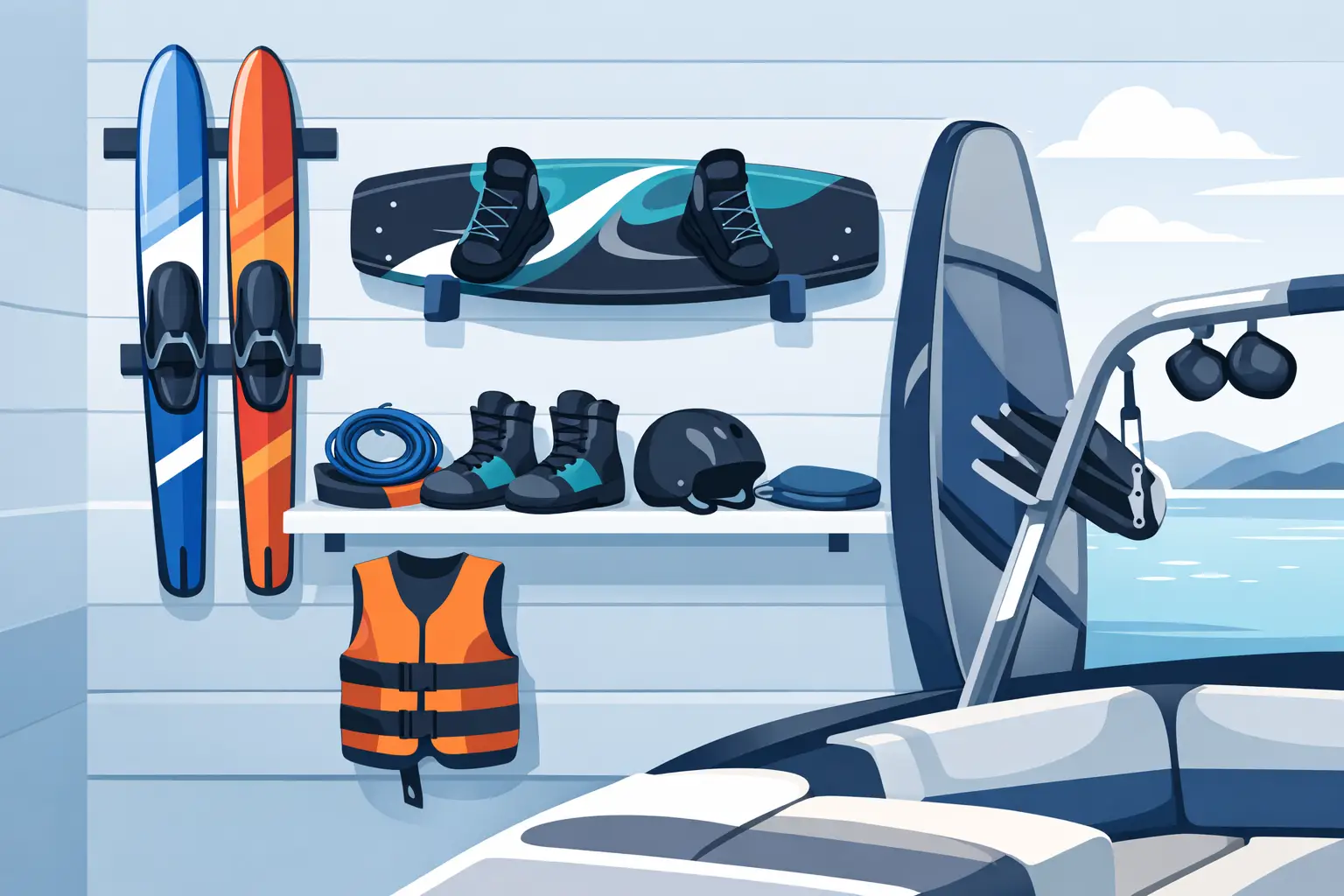
That warped board leaning in the shed corner usually tells the same story – poor water ski and wakeboard storage. A good setup does more than keep the garage tidy. It protects rocker lines, fins, bindings and edges from heat, moisture and accidental knocks, so your gear is ready when the boat is fuelled and the forecast looks good.
Why water ski and wakeboard storage matters
Tow sport gear puts up with plenty on the water, but most damage happens off it. Boards and skis get stacked under camping gear, left wet in the boot after a late drive home, or baked in a tin shed through an Australian summer. None of that helps performance.
Wakeboards can lose their shape over time if they are stored badly or crushed under weight. Bindings cop it too. Damp liners, stretched overlays and corroded hardware all shorten the life of a setup that should give you seasons of use. Water skis have their own issues, especially if the bases and fin areas are knocked around or left sitting in grime and moisture.
Good storage is really about consistency. Clean it, dry it, support it properly and keep it away from harsh heat. That is the difference between gear that still feels dialled next season and gear that starts every set with a problem.
The biggest enemies of skis and boards
If you know what damages gear, it becomes much easier to store it properly. Heat is the obvious one. Leaving a wakeboard or ski in a car for hours, especially in summer, can stress materials, soften glues and age bindings faster than most riders realise.
Moisture is the next troublemaker. A little water after a ride is normal. Trapped moisture inside bindings, covers or cramped storage spaces is not. That is when you start getting mildew, rusty screws, funky smells and foam that breaks down sooner than it should.
Then there is impact damage. A board dropped on concrete, a ski knocked by bikes in the garage, or fins catching on everything nearby can all leave marks that affect performance. Even when the damage looks cosmetic, repeated knocks add up.
Sunlight is another slow burner. UV exposure can fade graphics, dry out materials and weaken components over time. If your storage area gets direct sun through a window or open roller door, it is worth taking seriously.
Best places for water ski and wakeboard storage
The best storage spot is cool, dry and out of direct sunlight. For most people, that means inside the house, in a garage that stays relatively stable, or in a dedicated gear room if you are lucky enough to have one.
A garage works well if it is organised and ventilated. Wall racks are often the easiest option because they keep boards and skis off the floor and away from foot traffic. They also stop people piling random gear on top. If your garage gets extremely hot, though, especially in a metal shed, you may want to move your better gear indoors during peak summer.
A spare room or cupboard is excellent for high-end setups, particularly if you ride regularly and want everything dry, protected and easy to grab. It might feel excessive at first, but it makes sense when you have invested in quality skis, wakeboards and bindings.
Boat lockers can be useful for transport and short-term storage, but they are not always ideal long term. Lockers often hold moisture and heat, especially if the boat sits covered up between sessions. Fine overnight, maybe. Great for months at a time, usually not.
Vertical or horizontal storage?
This depends on the gear and the rack. Vertical storage is a popular choice for wakeboards because it saves space and keeps the board easy to access. If the tail is resting on a clean, padded surface and the board is not under pressure, it is generally fine.
Horizontal storage can be better if you have room and want even support along the length of the board or skis. It is also handy for families with multiple setups, because you can stack racks neatly without leaning gear against walls.
What you want to avoid is awkward pressure points. A board jammed between shelves or a ski balanced on one hard edge is asking for trouble. Padding matters. Proper support matters more than whether the gear is technically upright or flat.
How to store gear after each ride
The best storage routine starts before the gear even goes away. Rinse off fresh water if you have been riding in dirty water or around salt. Then dry everything properly. Not just the board or ski surface – get into the bindings, fin area, screws and any padded sections.
If you throw wet gear straight into a cover and forget about it, you are creating a perfect little weather system for mildew. Let bindings air out fully before putting the board away. If removable liners or boots are part of your setup, open them up and give them time.
It is also worth doing a quick once-over after each session. Check screws, inspect fins, look for dings and make sure nothing has started to loosen. Storage is easier when you are not putting damaged gear away and discovering the problem next time you want to ride.
Storage racks, bags and covers
The right storage option depends on your space and how often you ride. Wall-mounted racks are brilliant for regular use. They keep everything visible, protected and off the ground. Freestanding racks can work well too, especially in sheds or larger garages, but they need to be stable and properly padded.
Board bags and ski covers are a smart move for transport and dust protection, but they are not magic. If the gear is wet, a bag can trap moisture. That means bags are best used on clean, dry equipment, not as a shortcut after a rushed pack-up at the ramp.
For families or riders with more than one setup, a mix often works best. Use a rack for day-to-day water ski and wakeboard storage, then keep quality covers for travel or off-season protection. That way you are protecting your gear without creating a damp storage problem.
Off-season storage tips
When summer wraps up or you know the gear will sit for a while, a little extra prep pays off. Clean everything properly first. Remove any grime, dry the bindings thoroughly and check for wear that should be fixed before the next season.
Loosen anything that does not need to stay cranked down. Some riders prefer to ease binding tension slightly during long storage so materials are not sitting under constant stress. You do not need to dismantle your whole setup, but you do want it stored in a relaxed, dry state.
Keep gear elevated and protected from dust, pests and temperature swings. If your only option is a shed, use padded racks and avoid the hottest spots near metal walls or roofing. A breathable cover can help with dust, but again, only if the gear is fully dry.
Common storage mistakes to avoid
The worst mistake is leaving gear wet and forgotten. The second worst is exposing it to heat for long periods. After that, it is all the small habits that seem harmless until they are not.
Stacking heavy items on top of a wakeboard, tossing ropes and vests into the same pile, leaning skis where they can slide, and storing boards where fins catch on everything are all easy ways to shorten gear life. Another common one is assuming a garage is automatically safe. If it turns into an oven in January, that matters.
Cheap storage solutions can also end up expensive. A hard metal hook with no padding or a shelf that pinches the board in the wrong spot might save a few dollars now, but it is not worth it if it damages the shape or finish of the gear.
When it is worth upgrading your storage setup
If your garage floor is cluttered, your gear stays damp for days, or you keep finding scratches and loose hardware, your storage setup needs attention. It does not have to be fancy. It just has to protect the gear properly and make it easy to put away the right way every time.
For riders with premium wakeboards, skis and bindings, proper racks and covers are a smart investment. The better your gear, the less sense it makes to treat storage as an afterthought. Specialist stores such as Mac’s see it all the time – great equipment let down by rough storage habits.
The best storage system is the one you will actually use. Keep it simple, keep it dry and keep your gear out of the heat. Your next set will feel better for it, and your setup will still be looking sharp long after the season changes.
