


Nidecker Supermatic Snowboard Binding Review
03 July 2026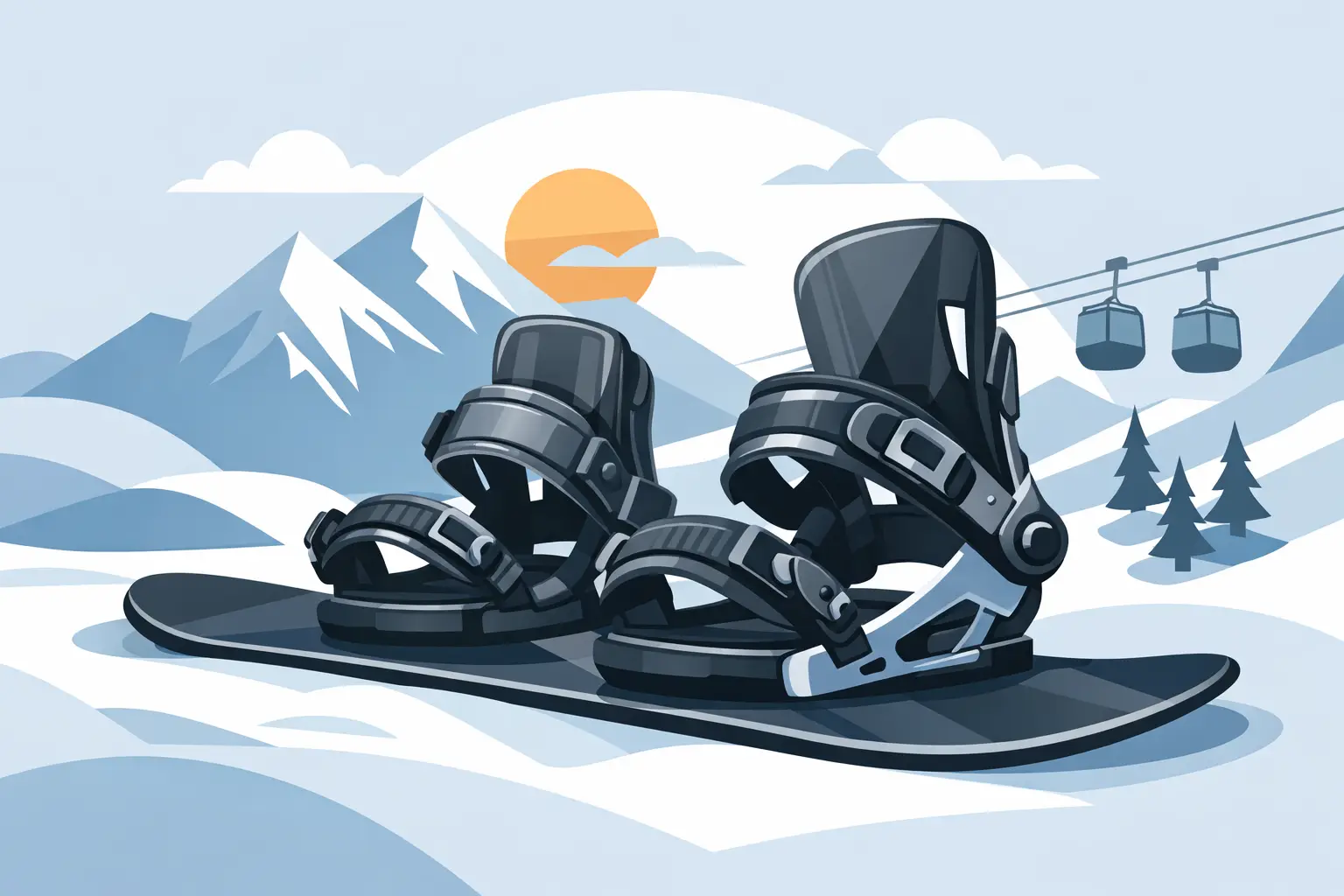
Cold car park. Gloves on. Mates already sliding towards the lift. That is exactly the moment the nidecker supermatic snowboard binding starts to make sense. It is built for riders who want the locked-in feel of a regular two-strap binding, but without the usual sit-down-and-fiddle routine every run.
That promise has made the Supermatic one of the most talked-about bindings in snowboarding. But hype only gets a product so far. What matters is how it actually feels underfoot, how easy it is to use when conditions are rough, and whether it suits your riding rather than just looking clever in a video.
What makes the Nidecker Supermatic snowboard binding different?
The main story here is simple – this is an automatic step-in style binding that still looks and rides more like a traditional binding than many older quick-entry systems. Instead of relying on a special boot connection point, the Supermatic uses a reclining highback and a heel pedal. Step down and back into the binding, and the system closes around your boot. Pull the release lever and the highback drops open so you can step out.
That matters because you are not locked into one highly specific boot interface in the same way some other systems require. For a lot of riders, that lowers the barrier. If you already have snowboard boots that fit well, there is a decent chance they may work with the binding, provided the shape and sole play nicely with the entry system.
It is also worth saying this clearly – the Supermatic is not trying to replace good strap bindings by pretending straps do not matter. It still uses an AuxTech style strap setup to hold your boot securely. The quick-entry part is about convenience getting in and out, while the on-snow ride aims to stay familiar.
How it feels on snow
The best quick-entry product in the world means nothing if it rides badly. Fortunately, the Supermatic feels solid and confidence-inspiring once you are moving. It has a medium to medium-stiff personality, so it lands in a useful middle ground for a lot of all-mountain riders.
If your riding is mostly resort laps, side hits, groomers, the odd bit of chopped-up afternoon snow and maybe a park hit here and there, this binding makes a lot of sense. Response is direct enough for stronger turns, but it is not so punishing that every little movement feels twitchy. That makes it a realistic option for intermediate riders stepping up, as well as experienced snowboarders who want convenience without turning the board into a dead plank.
Where some riders get surprised is the weight. The mechanism adds bulk compared with many regular bindings. On the lift or carrying your setup through the village, you will notice it. On snow, that extra heft tends to matter less than people expect, but freestyle riders who care about the lightest possible setup may still prefer a more stripped-back binding.
The other factor is board feel. Traditional bindings can sometimes offer a slightly cleaner, simpler connection, especially if you are very particular about flex and tweak. The Supermatic is good, genuinely good, but there is still a trade-off between convenience and pure minimalism.
Is the entry system actually easy?
Most riders looking at this binding are really asking one question – does it work in the real world, not just on a showroom floor?
In good conditions, yes, it is impressively straightforward. Once the binding is dialled in, stepping in becomes quick and natural after a few runs. You place your boot in, push your heel down, and the system engages with a satisfying snap. For getting off the lift and moving quickly, it can be a genuine time-saver.
The learning curve is real though. Your first few attempts can feel awkward, especially if you are used to just cranking straps the old-fashioned way. Boot alignment matters. Snow build-up underfoot can interfere. And on steeper spots, you may need a little more care getting properly seated before the mechanism locks.
That does not make it a gimmick. It just means there is a difference between easy and automatic. Riders expecting pure magic from run one might be disappointed. Riders happy to spend a bit of time setting it up properly usually get the best result.
Boot compatibility matters more than the marketing
This is the part worth taking seriously before you buy. The Nidecker Supermatic snowboard binding works with many standard snowboard boots, but not every boot shape behaves the same way. Outsole shape, heel profile and overall bulk can affect how cleanly the boot enters and exits.
A boot that is too bulky in the wrong place can make stepping in less smooth. A sole with an unusual shape may not sit as cleanly as it should. That is why trying your actual boots with the binding, or at least checking compatibility closely, is smarter than assuming all boots are equal.
If your boots are old, packed out or awkwardly shaped, the binding may not show its best side. If your boots fit the system well, the whole experience improves dramatically. For plenty of riders, this ends up being less about the binding itself and more about the total boot-and-binding match.
Who should buy the Nidecker Supermatic snowboard binding?
This binding suits riders who value convenience but still want proper all-mountain performance. If you are the sort of snowboarder who clocks resort days, wants less fuss at strap-in points and prefers equipment that feels secure rather than novelty-driven, it is a strong option.
It also makes sense for newer riders who find regular binding entry a hassle, especially on busy beginner slopes where stopping and sitting down can get annoying quickly. Being able to get in and go with less mucking around can help confidence.
For older riders, riders with less flexibility, or anyone simply over constantly bending down in the snow, the appeal is obvious. Convenience is not laziness – sometimes it is just a better setup for how you actually ride.
Where it may be less ideal is for dedicated park riders chasing maximum tweak and minimum weight, or hard-charging purists who already love their premium strap setup and see no reason to change. If your current bindings are dialled and entry speed is not a problem, the upgrade case is more personal than essential.
Setup and adjustment are everything
A badly adjusted Supermatic will not feel impressive. A properly set one can feel brilliant. That is why setup matters more here than with many standard bindings.
Strap tension needs to be firm enough to hold the boot properly but not so tight that entry becomes frustrating. Forward lean and highback position should match your stance and riding style. Toe ramp and footbed adjustment also play a part in getting the boot centred and supported.
This is not the binding to rush through in five minutes the night before a trip. If you take time to dial it in, you give the mechanism the best chance to do what it is meant to do. That is also why specialist advice helps. At Mac’s, gear like this makes more sense when you can match the binding to your boots, board and riding style rather than guessing from photos.
Is it worth the money?
For the right rider, yes. The value is not just in the mechanism itself. It is in the combination of convenience, familiar strap-binding feel and solid all-mountain performance. If that mix solves a real problem for you, the price is easier to justify.
If you are simply curious about step-in systems but do not really mind regular bindings, then value becomes less clear-cut. You are paying for innovation and convenience, not just raw ride performance. Some riders will happily pay that premium. Others will look at a strong traditional binding and keep the extra cash for lift tickets, outerwear or a board upgrade.
That is the honest take – the Supermatic is not for everyone, but it is far more than a gimmick.
Final thoughts on the Nidecker Supermatic snowboard binding
The Nidecker Supermatic snowboard binding earns attention because it solves a real on-mountain annoyance without feeling like a weird compromise once you start riding. It is clever, practical and surprisingly familiar underfoot, provided your boots match well and you put in the time to set it up properly.
For Australian riders gearing up for Japan trips, New Zealand laps or local snow holidays, that balance of convenience and dependable performance is easy to like. If you want less time parked on the snow and more time riding, this is one of the few bindings that genuinely changes the routine for the better.
